
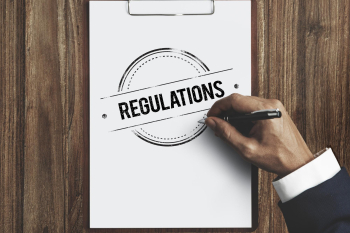
As the nicotine pouch market grows, understanding the regulations and compliance standards governing these products is essential. This blog highlights key regulatory aspects and explains how they support consumer protection and accountability.
The Regulatory Landscape
Nicotine Pouches are subject to different laws and regulatory requirements depending on the country where they are manufactured, marketed, and sold. Key areas of regulation may include:
FDA Oversight in the United States
- The U.S. Food and Drug Administration (FDA) regulates tobacco products, including nicotine pouches that fall within its regulatory authority.
- Manufacturers generally must obtain the required FDA marketing authorization before legally marketing covered new tobacco products in the United States. Requirements depend on the product and applicable law.
Age Restrictions
- Minimum purchase ages and sales restrictions vary by country and jurisdiction. In the United States, federal law sets the minimum legal sales age for tobacco products at 21.
- Retailers must follow applicable age-verification requirements and any additional local restrictions.
Labeling Requirements
- Depending on the market, packaging may need to display ingredient information, nicotine content, applicable warnings, and other required product details.
- Product descriptions and advertising should comply with applicable laws and must not make misleading or unsupported health or safety claims.
Manufacturing Standards
- Manufacturers should follow applicable production, quality-control, and product-safety requirements.
- Ingredient sourcing, production hygiene, quality testing, and traceability can help support consistent product quality. Specific legal requirements differ across markets.
Why Regulations Matter
- Consumer Protection: Regulatory requirements can establish standards for product information, manufacturing, and quality controls. Compliance does not mean a nicotine product is risk-free.
- Market Accountability: Regulatory oversight and supply-chain checks can help authorities identify non-compliant products and address misleading claims.
- Youth Prevention: Age restrictions, advertising rules, and sales controls aim to reduce access to nicotine products among young people.
Compliance Challenges for Manufacturers
- Evolving Laws: Regulations can change over time, requiring manufacturers and retailers to monitor new requirements and update their compliance procedures.
- International Trade: Selling or exporting nicotine pouches internationally requires businesses to understand the rules in each destination market, including restrictions on ingredients, labeling, importation, and sales.
- Enforcement: Online sales can present additional challenges, particularly when verifying customer age, checking product eligibility, and complying with regional shipping restrictions.
How Consumers Can Stay Informed
- Check Product Information: Review packaging, ingredient details, nicotine content, and applicable warnings before making a purchase.
- Use Reliable Sources: Consult official government and regulatory websites for current information about product authorization, restrictions, and legal requirements.
- Understand Local Laws: Check the rules that apply in your country or region, as the legality and availability of nicotine pouches can vary.
The Future of Regulation
As the nicotine pouch industry develops, regulatory frameworks may change to address emerging products and public health concerns. Areas of ongoing attention may include:
- Clearer labeling and improved access to product information.
- Measures designed to prevent underage access and appeal to young people.
- Greater attention to product quality, manufacturing controls, and ingredient transparency.
Conclusion
Regulations and compliance are important aspects of the nicotine pouch industry. Understanding local requirements can help consumers access reliable product information and help businesses operate responsibly. Since laws differ by market and may change, always consult current official guidance before purchasing, selling, or distributing nicotine products. Learn more about Usanico's responsibility initiatives.