

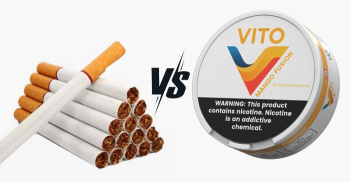
In 2025, the tobacco harm reduction movement is reshaping how adult (21+) nicotine users approach their habits. Nicotine pouches like ZYN, VITO, VELO, and On! are at the forefront, offering a tobacco-free, smoke-free, and spit-free alternative to cigarettes. While no nicotine product is entirely risk-free, pouches eliminate combustion and the smoke, tar, and carbon monoxide produced by burning tobacco. At usanico.com, we're exploring the differences between nicotine pouches and cigarettes to help readers understand their respective risks. Is switching to pouches a lower-risk option than smoking? Let's take a closer look.
Health Risks: Cigarettes vs. Nicotine Pouches
Cigarettes and nicotine pouches both deliver nicotine, but they expose users to different substances because they are used in different ways. Here's an overview of some important differences.
-
Cigarettes:
- Combustion Risks: Burning tobacco produces thousands of chemicals, including carcinogens such as benzene and formaldehyde, which are associated with lung cancer and other serious diseases.
- Respiratory Damage: Inhaling cigarette smoke increases the risk of chronic bronchitis, emphysema, chronic obstructive pulmonary disease (COPD), and reduced lung function.
- Cardiovascular Harm: Chemicals in cigarette smoke, including carbon monoxide, contribute to an increased risk of heart disease and stroke.
- Secondhand Smoke: Exposure to cigarette smoke can harm other people and is associated with respiratory illness, cardiovascular disease, and cancer.
- Addiction: Cigarettes deliver nicotine efficiently, making dependence difficult to overcome for many smokers.
-
Nicotine Pouches:
- No Combustion: Nicotine pouches do not burn tobacco and therefore do not produce cigarette smoke, tar, or carbon monoxide from combustion.
- Different Exposure Profile: Pouches generally expose users to fewer combustion-related toxicants than cigarettes. However, their ingredients and potential health effects vary by product.
- Oral Irritation: Some users may experience gum irritation, soreness, or other oral discomfort.
- Addiction: Nicotine content varies between products. Nicotine pouches can cause or maintain dependence.
- Cardiovascular Effects: Nicotine can temporarily increase heart rate and blood pressure. The long-term health effects of nicotine pouch use are still being studied.
Cigarette smoking is associated with serious, potentially life-threatening diseases. Nicotine pouches avoid exposure to smoke from burning tobacco, but they are not harmless and can cause nicotine dependence. The long-term effects of pouch use require further research.
Why Nicotine Pouches May Present Lower Risks Than Smoking
Nicotine pouches differ from cigarettes in their design and composition. For adults who already smoke, completely switching away from combustible tobacco may reduce exposure to certain harmful chemicals. Important differences include:
- No Combustion: Pouches do not involve burning tobacco, eliminating exposure to cigarette smoke and its combustion byproducts.
- Different Chemical Exposure: Nicotine pouches typically contain nicotine, flavorings, fillers, and other ingredients. Their composition differs from cigarettes, but individual products should be assessed separately.
- No Secondhand Cigarette Smoke: Pouches do not produce secondhand smoke from combustion, although this does not make nicotine use risk-free.
- Different Nicotine Strengths: Products are available in various strengths. Nicotine content and absorption differ, and higher-strength products can increase the risk of adverse effects and dependence.
- Oral Health Considerations: Pouches do not require smoking or spitting, but they can still irritate the gums and oral tissues.
- Harm Reduction: Replacing cigarettes completely with a non-combustible product may reduce exposure to some harmful substances. Using both cigarettes and pouches may not provide the same potential benefit.
These differences are relevant when comparing nicotine products. However, nicotine pouches should not be described as harmless, and people who do not use nicotine should not start using them.
Global Health Agency Perspectives
Health agencies and regulators continue to assess nicotine products, including nicotine pouches. Their conclusions and policies vary, and authorization of a particular product does not mean that all nicotine pouches are safe.
- FDA (United States): In January 2025, the FDA authorized the marketing of 20 specific ZYN nicotine pouch products. This authorization applies to those products and does not mean that nicotine pouches are risk-free or FDA-approved as smoking-cessation medicines.
- World Health Organization (WHO): The WHO addresses the health risks of tobacco and nicotine products and emphasizes prevention of nicotine dependence. Its guidance should be consulted directly for current recommendations.
- Public Health Authorities: Recommendations about nicotine products vary by jurisdiction. Claims about specific reductions in harm should be supported by reliable evidence and should not be generalized to every product.
- Swedish Public Health Context: Sweden has a distinct history of using smokeless nicotine and tobacco products. Its smoking rates and public health outcomes cannot be attributed to a single product without considering other factors.
Quitting smoking and avoiding nicotine use altogether are important health goals. Adults who want to stop smoking can seek advice from a healthcare professional about evidence-based cessation treatments.
Switching to Pouches: User Experiences
People may report different experiences when changing their nicotine habits. Individual experiences are not a substitute for clinical evidence, and testimonials should only be published when they are genuine, documented, and used with appropriate permission.
- Changes in Smoking Habits: Some adults who switch completely from cigarettes to non-combustible products may notice changes in smoke-related odors and their daily routines.
- Product Preferences: Flavor, pouch size, texture, and nicotine content can influence individual preferences.
- Different Experiences: Responses to nicotine vary from person to person. A product that one person tolerates may cause unwanted effects in another.
Personal experiences can help illustrate individual preferences, but they cannot establish that a product is safe or effective for everyone.
Limitations and Considerations
Although nicotine pouches avoid cigarette smoke, they still have risks. Consider the following points:
- Nicotine Addiction: Pouches can cause or maintain nicotine dependence. Lower nicotine content does not eliminate the risk of addiction.
- Limited Long-Term Data: Nicotine pouches are relatively recent compared with cigarettes, and more research is needed to understand their long-term health effects.
- Oral Health: Some users may experience gum irritation, mouth soreness, or other oral discomfort.
- Not for Non-Users: People who do not currently use nicotine should avoid starting, because nicotine is addictive.
For adults who smoke, completely stopping smoking is an important step toward reducing exposure to combustion-related toxins. Quitting nicotine altogether remains the best way to avoid nicotine-related risks.
Tips for Adults Considering a Change in Nicotine Use
Adults who want to stop smoking can consider the following steps:
- Understand Nicotine Content: Check the label for the amount of nicotine per pouch and follow the manufacturer's instructions. Nicotine strength should not be selected solely on the number of cigarettes previously smoked.
- Review Product Information: Read the ingredients, warnings, and usage instructions before using any nicotine product.
- Avoid Excessive Nicotine Exposure: Using multiple nicotine products together can increase the risk of unwanted effects.
- Choose Reliable Information Sources: Verify product authorization and regulatory information through official sources rather than relying only on retailer claims.
- Seek Support: Adults who want to quit smoking can visit Smokefree.gov or consult a healthcare professional about evidence-based treatments.
A healthcare professional can help identify appropriate smoking-cessation options based on individual needs and health circumstances.
Explore Nicotine Pouches at Usanico.com
Usanico.com offers product information and listings for different nicotine pouch brands. Adults reviewing these products should read the available details and check applicable laws before purchasing.
- Brand Selection: Explore listings for brands such as ZYN, VITO, VELO, and On!, subject to availability and applicable sales restrictions.
- Product Options: Review product descriptions, package quantities, and nicotine content before making a decision.
- Shipping Information: Check the website's current shipping policy, delivery coverage, and applicable restrictions before ordering.
- Payment Information: Review the payment methods currently available at checkout.
- Product Storage: Follow the storage instructions on the packaging and keep nicotine products securely away from children and pets.
For additional information, explore the available ZYN, VITO, and VELO collections.
In 2025, nicotine pouches continued to receive attention as non-combustible nicotine products. Unlike cigarettes, they do not produce smoke from burning tobacco, but they still carry risks, including nicotine dependence. The potential health effects vary by product, and further research is needed to understand long-term use. Consumers should review reliable health information and applicable regulatory guidance before making decisions about nicotine products.
WARNING: This product contains nicotine. Nicotine is an addictive chemical. For adults aged 21 and older only, where legally permitted.